Understanding the Risks of Living with Morbid Obesity

Morbid obesity is a serious health condition that affects millions of individuals worldwide. It significantly increases the risk of various life-threatening diseases and reduces overall quality of life. Bariatric surgery offers a potential solution to combat this condition and improve health outcomes. However, it’s crucial for prospective patients to understand the risks associated with living with morbid obesity if they choose not to undergo bariatric surgery. This article aims to shed light on these risks and help individuals make informed decisions about their health. Read more

The Cost-Effectiveness of Bariatric Surgery: Transforming Lives and Finances

For individuals struggling with severe obesity, the decision to undergo bariatric surgery is a life-changing one. Not only does it offer significant health benefits, but it also has the potential to be a cost-effective solution in the long run. While the upfront costs of bariatric surgery may seem daunting, it is essential to recognize the substantial financial benefits it can bring over time. In this article, we will explore why self-pay bariatric surgery candidates should consider the cost-effectiveness of this transformative procedure. Read more

Bariatric Surgery vs Weight Loss Medications: Which is Most Effective?

Weight loss can be a challenging and frustrating journey for many individuals who struggle with obesity. While lifestyle changes such as diet and exercise are often recommended as the first line of treatment, these methods may not always result in significant and sustained weight loss. In recent years, weight loss medications such as Wegovy have become more popular, but they are not always the best solution. For many people, bariatric surgery can be a more effective and long-lasting option.

Read more

Bariatric Surgery Uncovers a Fortunate Kidney Tumor Find

Matt Kleinschmidt knew gastric sleeve surgery would help him lose significant pounds and give him the energy to keep up with both his newborn son and his entertainment industry career working with bands and comedians. But he didn’t anticipate it would save his life in another way, too. Read more

Weight Loss Surgery: A Promising Solution for Diabetes

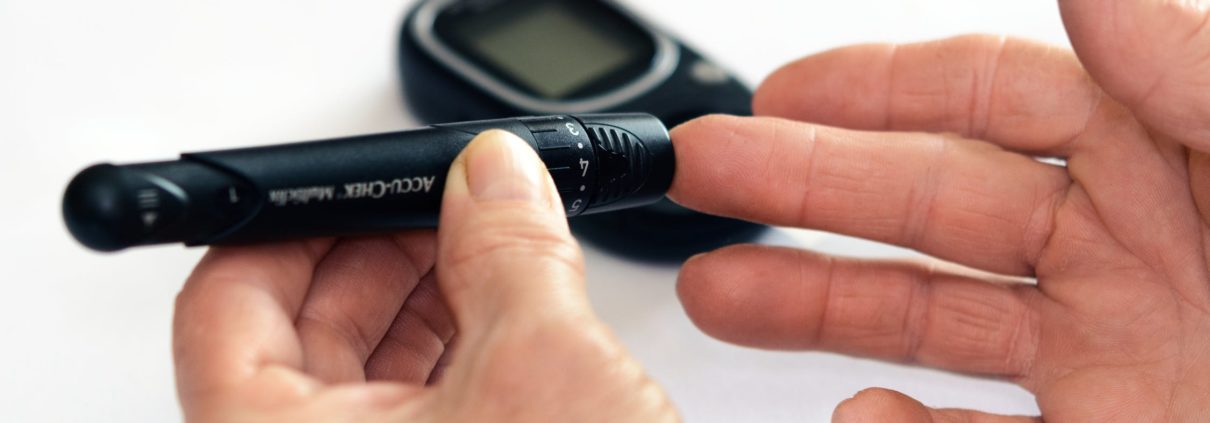
Diabetes is a chronic condition that affects millions of people worldwide. It is a condition that results in high levels of blood sugar, leading to a range of complications such as heart disease, kidney failure, blindness, and amputations. While traditional treatments like medications and lifestyle changes can help manage diabetes, weight loss surgery is a promising solution that can help resolve the condition altogether. Read more

What is the Success Rate for Bariatric Surgery?

The success rate of bariatric surgery, also known as weight loss surgery, can vary depending on the type of procedure, the patient’s health status, and other factors. Generally, weight loss surgery is considered successful if the patient achieves and maintains a significant reduction in body weight and experiences improvement in obesity-related health conditions.

Here are some general success rates for the most common types of weight loss surgery:

  • Gastric bypass surgery: Studies have shown that gastric bypass surgery can result in weight loss of 60-80% of excess body weight within the first year after surgery. Long-term success rates (10 years or more) have been reported to be around 50-60%.
  • Sleeve gastrectomy: Sleeve gastrectomy is a procedure that involves removing a large portion of the stomach to create a smaller, tube-shaped stomach. Studies have shown that sleeve gastrectomy can result in weight loss of 50-70% of excess body weight within the first year after surgery. Long-term success rates are still being studied.
  • Laparoscopic adjustable gastric banding: This procedure involves placing a band around the upper part of the stomach to create a small pouch. Studies have shown that laparoscopic adjustable gastric banding can result in weight loss of 40-50% of excess body weight within the first year after surgery. Long-term success rates (10 years or more) have been reported to be around 30%.

It’s important to note that weight loss surgery is not a guarantee of success, and patients must commit to making long-term lifestyle changes to achieve and maintain their weight loss goals. Working with a healthcare team, including a dietitian and mental health professional, can also improve the chances of success.

For more information, call 973-410-9700 or contact us online.

Will Weight Loss Surgery Affect My Ability to Become Pregnant?

While weight loss surgery has been proven to be highly effective in improving the health of individuals with obesity, many women considering this option may be concerned about how it may impact their fertility and ability to become pregnant. In this article, we will discuss how weight loss surgery can impact fertility, the potential risks and benefits of weight loss surgery for women trying to conceive, and important considerations to keep in mind if you are planning to undergo bariatric surgery in New Jersey.

How weight loss surgery can affect fertility

Obesity is a well-known risk factor for fertility problems, including menstrual irregularities, ovulatory dysfunction, and infertility. By helping individuals lose weight, weight loss surgery can help improve many of these fertility-related issues. However, the surgery itself can also have an impact on fertility, at least in the short term.

One of the most common types of weight loss surgery is the gastric bypass, which involves creating a small pouch from the stomach and rerouting the small intestine to this pouch. This procedure can have an impact on the absorption of nutrients and can cause a reduction in the absorption of some vitamins and minerals, such as iron, calcium, and vitamin B12. These nutrients are essential for reproductive health, and deficiencies can negatively impact fertility.

In addition, rapid weight loss after bariatric surgery can cause hormonal changes in the body, including a reduction in estrogen levels, which can lead to menstrual irregularities and a temporary reduction in fertility. Furthermore, significant weight loss can also lead to a decrease in insulin resistance, which can improve ovulation and increase the chances of conceiving.

Risks and benefits of weight loss surgery for women trying to conceive

While weight loss surgery can have some short-term negative effects on fertility, there are also many potential benefits to consider. In addition to improving overall health and quality of life, weight loss surgery can improve fertility in the long term by helping individuals achieve a healthy weight and reducing the risk of conditions such as polycystic ovary syndrome (PCOS) and type 2 diabetes, which can negatively impact fertility.

Furthermore, studies have shown that women who undergo weight loss surgery before getting pregnant have a lower risk of pregnancy complications, such as gestational diabetes, preeclampsia, and preterm birth, compared to women who do not undergo surgery.

It is also important to note that women who become pregnant after weight loss surgery often have a lower risk of complications during pregnancy and delivery, including a reduced risk of stillbirth and cesarean section. However, it is important to keep in mind that pregnancy after bariatric surgery requires careful monitoring, as rapid weight loss can lead to nutritional deficiencies that can negatively impact fetal development.

Important considerations

If you are considering weight loss surgery and also want to become pregnant in the future, it is important to discuss your options with your healthcare provider. Your doctor can help you determine the best course of action based on your individual needs and goals.

If you do decide to undergo bariatric surgery, it is important to wait at least 18-24 months after the surgery before trying to conceive. This will allow your body to recover from the surgery and give you time to achieve a stable weight and optimize your nutrition.

In addition, it is important to work closely with your healthcare provider during pregnancy and to monitor your nutritional status carefully. Your doctor may recommend additional supplements or dietary changes to ensure that you and your baby are getting the nutrients you need.

Conclusion

While weight loss surgery can have some short-term negative effects on fertility, there are also many potential benefits for women trying to conceive, including a reduction in pregnancy complications and an improvement in overall health.

For more information, call 973-410-9700 or contact us online.

Horizon BCBS NJ Updates Bariatric Surgery Criteria to Include Patients with BMI Over 30 and Type 2 Diabetes

Horizon Blue Cross Blue Shield of New Jersey recently updated their bariatric coverage policy to include members with a BMI > 30 with a comorbidity of Type 2 Diabetes. Read more

Keto diets could increase risk of stroke and heart attack, new study suggests.

Researchers say low-carb, high-fat ‘keto-like’ diets lead to higher ‘bad’ cholesterol, which raises risk of stroke and heart disease.

In recent years, the “keto diet” (low-carb ketogenic) has increased in popularity among those looking to lose weight.

However, a new study suggests that a “keto-like” diet could set off an increase in “bad” cholesterol, which can lead to a buildup of plaque in the arteries and a significantly greater risk of heart attacks, strokes and other cardiovascular events.

Findings from the study were presented on Sunday in New Orleans, Louisiana, at the American College of Cardiology’s Annual Scientific Session Together With the World Congress of Cardiology.

In a press release about the findings, lead author Iulia Iatan, M.D., PhD, says “Our study found that regular consumption of a self-reported diet low in carbohydrates and high in fat was associated with increased levels of LDL cholesterol — or ‘bad’ cholesterol — and a higher risk of heart disease.”

According to the American Heart Association, bariatric surgery may lower the risk of future cardiovascular problems.

A recent study demonstrated that participants with cardiovascular disease and severe obesity (a body mass index of 40 or higher) who underwent bariatric surgery had fewer major cardiovascular events than people with similar conditions who did not have the surgery. Fewer of them died as well.

To learn more about bariatric surgery in New Jersey, please call 973-410-9700 or contact us online.

JFK Medical Center

JFK University Medical Center Listed ‘101 Best Hospitals for Bariatric Surgery’

Hackensack Meridian Health JFK University Medical Center was listed as one of the Best Hospitals for Bariatric Surgery by Money Magazine. Read more