"The Doctors" features Metabolic Surgery

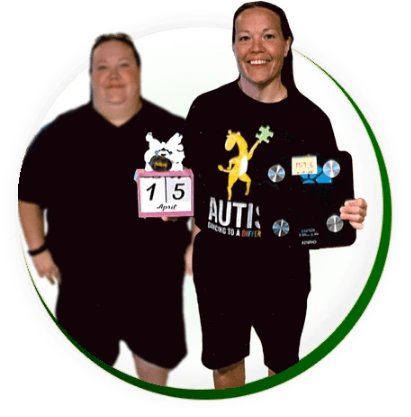
On Thursday, September 26, NBC’s TV show “The Doctors” includes two segments on Obesity and Metabolic surgery. The show will feature a married couple that lost a total of 270 pounds – and now no longer have diabetes. “The Doctors” will include a satellite interview with former ASMBS President and Cleveland Clinic Bariatric and Metabolic Institute (BMI) Director Philip Schauer, MD.

ASMBS is proud to see mainstream media outlets providing education and information about the disease of obesity. Research has conclusively shown that metabolic surgery can treat and cure Type 2 Diabetes, and finding ways to share this information with the public is vital. We encourage featuring the real-world impact of our members’ hard work.

Check your local listings for your region’s air times and stations. This is a great opportunity to share information about obesity and metabolic surgery with friends and family members!


New Guidelines Broaden Eligibility for Bariatric Surgery

Stronger Emphasis on Diabetes; Sleeve Gastrectomy Gets Nod

In a major shift in policy, three major medical societies have changed their formal guidelines for bariatric surgery and expanded eligibility to include patients with mild to moderate obesity and diabetes or metabolic syndrome.

Additionally, the societies—the American Society for Metabolic and Bariatric Surgery, the American Association of Clinical Endocrinologists and the Obesity Society—upgraded sleeve gastrectomy from investigational status to a “proven surgical option.”

The changes will bring the U.S. guidelines in line with practices increasingly used around the country and reflect evidence that has emerged in the four years since the previous guideline was developed. Read more

Obesity Recognized As A Disease By The American Medical Association

The American Medical Association has officially recognized obesity as a disease, a decision that could persuade physicians to pay more attention to the condition and encourage more insurers to pay for obesity-related treatments.

“Acknowledging obesity as a disease will help reshape the way the medical community approaches this complex issue that affects approximately one in three Americans,” Dr. Alexander Abkin, a board-certified bariatric surgeon, said in a statement. He suggested the new definition would help in the fight against Type 2 diabetes and heart disease, which are linked to obesity. Read more

Artificial Sweetener Enhances Blood Insulin, Findings Suggest

Unfortunately, and the woes of many, diabetes and obesity go hand in hand. According to researchers at Washington University School of Medicine in St Louis, artificial sweeteners are related to enhanced blood insulin and glucose response.

Although the findings reveal that the elevated insulin response shows patients are able to make enough insulin to deal with spiking glucose levels, it also shows that patients are secreting more insulin and if they can become resistant to its effects it could lead to type 2 diabetes. Read more

Governor Chris Christie Undergoes Lap Band Surgery in NJ

Gov. Chris Christie — whose weight has long been the subject of public worry and late-night talk show jokes — secretly underwent lap-band stomach surgery in February in an effort to shed pounds, his office confirmed today. Read more

Study Supports Broader Access to Lap-Band Surgery

But not everyone agrees it’s time to recommend the procedure to those who aren’t extremely obese.

The Lap-Band weight-loss procedure should not be restricted only to patients who are very severely obese, a new study suggests. Read more

Bariatric surgery outcomes better at high-volume hospitals

Mortality and morbidity from bariatric surgery are less common at hospitals with high case volumes, according to data presented at the Society of American Gastrointestinal and Endoscopic Surgeons Annual Meeting in Baltimore. Read more

Weight loss surgery may alter genetics for future generations

We all know that weight-loss surgery can shrink your waistline – but a new study shows it can cause surprising changes in your genes, too.

According to a study in the journal Cell Press, people who underwent gastric bypass surgery and lost weight, experienced changes in gene expression, which improved their body’s ability to burn fat and store sugars properly, decreasing their risk for diabetes.

Read more

Report: Bariatric Surgery Reverses Diabetic Nephropathy

Researchers, Expecting a Halt in Progression After Bariatric Surgery, Instead See Remission

New Jersey —Bariatric surgery induces a significant and lasting improvement in diabetic nephropathy, with nearly 60% of patients with this condition achieving remission five years after surgery, according to a study presented at the 2012 annual meeting of the American Society for Metabolic and Bariatric Surgery.

The investigators say that the finding demonstrates a previously unknown microvascular effect of bariatric surgery. Read more